When treating multi-trauma patients, the right equipment is crucial. One essential tool is the vacuum stretcher. It is designed for stability and safety during transport. How does a vacuum stretcher work for multi-trauma patients? Understanding this mechanism helps both medical professionals and caregivers provide better care.
Vacuum stretchers mold around the patient's body. This reduces movement and minimizes injury risk. They use air to create a secure fit, providing support to fractured bones or unstable conditions. The cushioning material can absorb shocks, enhancing comfort during transport. Proper usage involves careful placement and full evacuation of air. Yet, challenges can arise. Improper sealing or positioning may hinder effectiveness, requiring training and practice.
The efficiency of vacuum stretchers relies on user expertise. Experience with these devices improves patient outcomes. However, not every situation is ideal. Budgets and availability can limit options for some healthcare providers. It's essential to weigh these factors when selecting the right tool for emergency care. Understanding how vacuum stretchers work contributes to better preparedness in critical situations.
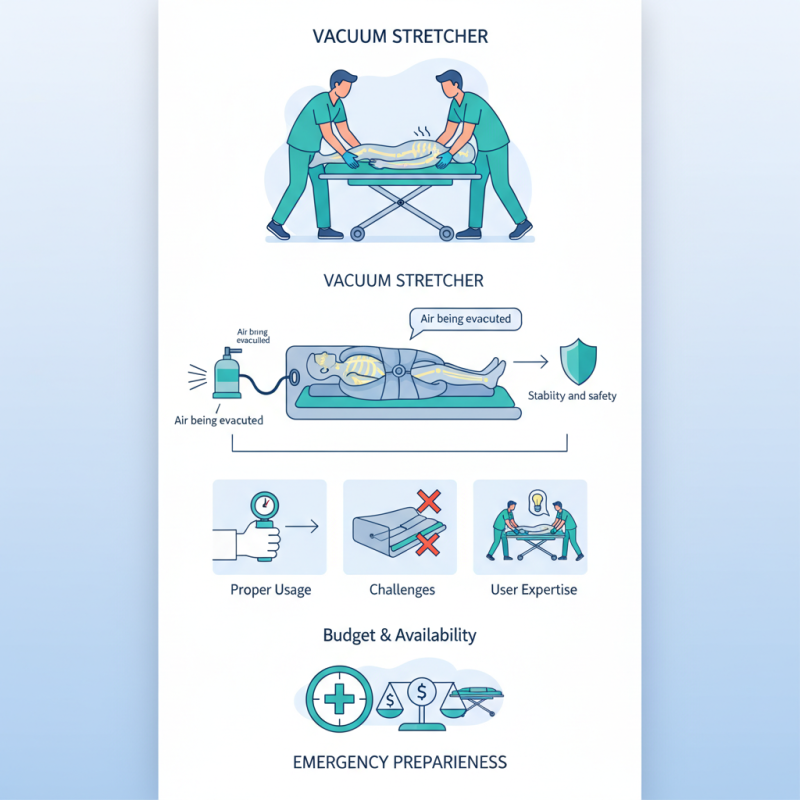
Vacuum stretchers are essential tools for managing multi-trauma patients. They help stabilize the spine and prevent further injury during transport. These devices create a secure, snug fit around the patient using a vacuum mechanism. This design minimizes movements that could exacerbate injuries.
Understanding how vacuum stretchers work is crucial. When air is removed from the stretcher, it molds to the patient's body shape. This unique feature provides excellent immobilization and comfort. Emergency responders can easily carry these stretchers on uneven terrain. However, there are challenges. In some cases, the vacuum mechanism may fail, causing a loss of stability. Regular maintenance and checks are vital to ensure reliability.
Training is important for responders using these stretchers. Experience with applying the vacuum and securing the patient makes a difference. Proper use can significantly improve patient outcomes. Nonetheless, there can be a learning curve, highlighting the need for periodic reviews and simulations. Understanding the limitations and potential failures can enhance the efficacy of this crucial medical equipment.
Vacuum stretchers are critical in emergency medical care, especially for multi-trauma patients. They work by creating a vacuum that immobilizes the patient securely. This reduces movement during transport, minimizing the risk of further injury. The use of these stretchers has gained traction among medical professionals due to their effectiveness in stabilizing patients.
Key features of vacuum stretchers include lightweight materials and simple, quick deployment. They often come with adjustable straps for secure fastening. Some models feature a unique design that contours to the patient's body, ensuring maximum comfort while providing support. These attributes are essential for emergency responders who must act swiftly. However, the reliance on vacuum technology has prompted discussions about potential mechanical failures.
The benefits of these devices are clear. They enhance patient safety and comfort during transport. However, they are not without their challenges. Training is crucial for medical personnel to use them effectively. Understanding the equipment's limitations is equally important. Overall, vacuum stretchers represent an advancement in emergency care, supporting the needs of multi-trauma patients optimally.
Vacuum stretchers serve a critical role in emergency medical care, particularly for multi-trauma patients. These devices utilize a unique mechanism that combines stability with flexibility. When inflated, the stretcher conforms to the body’s shape, providing a secure environment.
The operation of a vacuum stretcher is simple yet effective. It consists of a sturdy outer layer and an inner vacuum chamber. When the air is evacuated, the stretcher molds around the patient. This not only immobilizes injuries but also reduces pain. The adjusting feature allows medical professionals to tailor the stretcher's fit to each patient, ensuring comfort during transport.
Despite their advantages, vacuum stretchers are not without limitations. Proper training is essential for effective use. If improperly applied, they may cause discomfort or pressure points. It's vital to assess the patient's condition continually. Understanding the underlying mechanisms can improve outcomes significantly. While they are excellent for spinal injuries, their application may require careful evaluation for patients with certain conditions. As with any medical device, continuous feedback and improvement are essential for best practices.
When selecting a vacuum stretcher for multi-trauma patients, consider key factors carefully. The design matters significantly. Look for models that ensure comfort while providing stability. A rigid structure can support injured areas effectively and reduce pain during transport. Consider the material. It should be durable yet lightweight, making it easier for emergency responders to manage.
Another important aspect is the vacuum system. It must be reliable and easy to operate under pressure. Features like quick-release valves can help in emergencies. Examine the weight capacity as well. Stretcher strength is vital for safely transporting patients of varying sizes. Also, make sure the stretcher is compatible with the available emergency equipment.
Training is crucial. Not all responders have the same experience with these devices. Regular sessions can enhance their confidence and ability to operate the stretchers properly. Review user feedback to identify common issues or improvements. This reflection can help refine your choices for better patient outcomes.
Vacuum stretchers are essential in trauma care. They help stabilize multi-trauma patients during transportation. However, proper maintenance is crucial for their effectiveness and safety. The latest reports indicate that over 30% of medical equipment failures are due to inadequate maintenance. Regular checks and cleaning can minimize such risks.
It's vital to inspect the vacuum stretcher's sealing mechanism. A faulty seal can lead to air leaks, compromising the stretcher's function. Cleaning the stretcher with appropriate disinfectants prevents contamination. Avoid harsh chemicals that can degrade the material. Additionally, it's important to train staff on maintenance protocols. Knowledge about proper handling can enhance safety in emergency situations.
Routine inspections should occur every three months. Look for signs of wear or damage. Replace any worn-out components promptly. Regular training sessions can ensure that all staff are competent in their use. A well-maintained vacuum stretcher is a reliable tool in emergencies. Yet, neglecting these practices can lead to dire consequences. This reinforces the necessity for ongoing education and accountability within medical teams.
| Model | Weight Capacity (lbs) | Material | Dimensions (inches) | Vacuum Time (min) | Safety Features | Maintenance Tips |
|---|---|---|---|---|---|---|
| Model A | 600 | PVC | 76 x 22 | 5 | Pressure Relief Valve | Regularly check for leaks |
| Model B | 550 | Nylon | 78 x 24 | 4 | Reflective Strips | Clean after each use |
| Model C | 700 | Polyester | 80 x 26 | 6 | Integrated Head Support | Inspect seams regularly |
| Model D | 500 | Vinyl | 75 x 20 | 5 | Non-Slip Base | Store in a cool, dry place |
| Model E | 625 | Cordura | 77 x 23 | 7 | Emergency Release Valve | Periodic vacuum testing |
: They stabilize multi-trauma patients and prevent further injuries during transport.
They create a snug fit by removing air, molding to the patient's body shape.
Yes, they are designed to be portable, even on uneven terrain.
The vacuum mechanism may fail, leading to stability loss. Regular maintenance is crucial.
Proper training improves patient outcomes and familiarity with the equipment's use.
They often contour to the body and include adjustable straps for better support.
They must know both their benefits and limitations for effective use.
A failure can lead to inadequate immobilization, risking further injury.
Yes, periodic simulations help address the learning curve and ensure readiness.
Yes, reliance on vacuum technology raises concerns about potential mechanical failures.
Vacuum stretchers are essential medical devices designed for the safe and effective transportation of multi-trauma patients. Their key features include the ability to immobilize the patient, which minimizes movement and helps prevent further injury during transport. The primary mechanism of a vacuum stretcher involves creating a seal that allows air to be removed, conforming the stretcher to the patient's body shape for maximum support and stability.
When considering "How does a vacuum stretcher work for multi-trauma patients?", it is crucial to understand the benefits, including enhanced patient safety and comfort, as well as the ease of use for medical personnel. Choosing the right vacuum stretcher involves evaluating various factors such as size, weight capacity, and material quality. Proper maintenance and adherence to safety guidelines are also vital to ensure the stretcher functions effectively when needed.

Jones Medical