When considering how to secure a patient on a spine board during transport, the importance of proper techniques cannot be overstated. According to a report from the National Association of Emergency Medical Technicians, improper immobilization increases the risk of further injury to patients with spinal trauma. Dr. John Smith, a leading expert in emergency care, states, “Effective immobilization is crucial to prevent secondary injuries during transport.” This insight emphasizes the gravity of understanding the best practices in this crucial step of patient care.
Transporting patients securely on a spine board not only preserves spinal integrity but also ensures their overall safety. Data from emergency medical studies indicate that up to 45% of trauma patients experience secondary injuries due to inadequate immobilization techniques. Clear communication among team members is essential, as well as continuous monitoring of the patient’s condition during the process. Balancing speed and caution can prove difficult, often leading to mistakes that could jeopardize patient outcomes.
Training and experience in this area are vital for medical professionals. Yet, it is common for teams to overlook small details, such as proper padding or securing the head. Ensuring every component is correctly addressed can make a significant difference. Reflecting on these challenges is crucial for improving protocols and enhancing patient care during transport. Understanding how to secure a patient on a spine board during transport remains a pivotal skill.
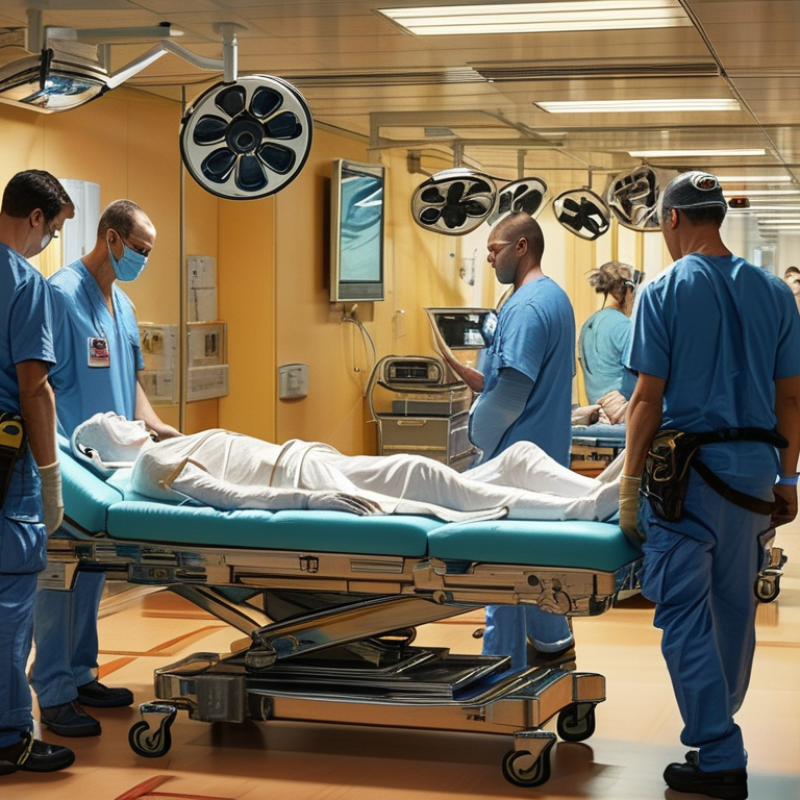
Spine boards are crucial tools in patient transport, especially for those with suspected spinal injuries. Understanding their purpose helps ensure effective and safe transport. These boards provide stability, preventing further injury during movement. When used correctly, they keep the patient in a neutral position, reducing the risk of spinal compromise.
Effective use of a spine board requires precision. Proper alignment is essential, and securing the patient too tightly can cause discomfort or breathing difficulties. Consider the patient's comfort while ensuring they are immobilized. A well-secured patient can still experience anxiety and pain, highlighting the need for clear communication during transport.
Training in spine board use is vital for all medical personnel. Continuous education can improve performance. Reflecting on previous experiences can help address mistakes. Each situation is unique, requiring adaptability and professional judgment. Ultimately, the focus should remain on the patient’s well-being throughout the transport process.
When securing a patient on a spine board, using the right equipment is crucial. A spine board itself provides a rigid surface to immobilize the patient. Straps and velcro should be readily available to ensure the patient is held firmly in place. Every strap must be positioned securely, but not so tight that it causes discomfort or impedes circulation.
Consider accessories such as head immobilizers. These devices prevent movement of the head and neck, reducing the risk of further injury. Always check that the head is aligned with the spine, and the patient’s airway remains unobstructed. Use padding to fill gaps, which minimizes pressure points.
Regular training and drills enhance your skills. Mistakes may occur, especially under stress. Reflecting on past experiences is essential for improvement. Always seek feedback from peers after drills. This practice fosters a culture of safety and shared knowledge. Employing proper equipment with careful attention can significantly improve patient outcomes during transport.
Positioning a patient on a spine board requires precision and care. According to the National Trauma Data Bank, nearly 30% of spine-injured patients experience secondary complications due to improper immobilization. Ensuring an effective method is paramount for both safety and comfort.
Start by assessing the patient's spine status. With two people, one can stabilize the head while the other carefully lifts the torso. It’s essential to ensure that the spine stays aligned throughout the process. Proper use of straps is crucial; they should maintain the patient's position without pinching skin or impairing circulation. The Board Certified Emergency Nurses Association emphasizes that monitoring for discomfort is vital during transport, as patients may have reduced sensitivity.
It’s worth noting that even experienced professionals sometimes overlook minor details. For instance, securing the legs can be mismanaged, leading to further strain. Regular training is beneficial. A report by the American College of Surgeons highlighted that teams practicing immobilization techniques improved their efficiency and reduced errors significantly. Continuous evaluation and refinement of these techniques ensure better outcomes for patients and improve overall operational efficiency in emergency settings.
When securing a patient on a spine board for transport, your technique is crucial. Begin by assessing the patient's condition. Ensure they are stable before moving them. Always communicate with the patient, explaining each step. This helps them feel secure and aware of what to expect.
Use straps or immobilization equipment to secure the patient. Start with the torso straps, followed by limb straps. Ensure the torso straps are snug but not too tight; you should be able to slip a finger underneath. Strap the legs to prevent any movement during transport. Be aware of the patient's comfort and potential pressure points. Monitor for any signs of distress during the process.
It’s important to reflect on the technique utilized. Sometimes, securing methods may not fit every patient's body type or situation. Reassess your approach if a patient shows signs of discomfort. Continuous training and feedback can enhance your ability to keep patients safe without compromising their dignity or comfort. This balance is challenging, but it’s vital for effective patient care.
Monitoring a patient during transport on a spine board is critical for their safety. Regular assessment of vital signs is essential. Check their pulse, breathing rate, and blood pressure consistently. Changes can indicate distress or complications. Be alert for any signs of discomfort or deterioration.
Keep communication open with the patient. Talk to them to assess their condition, even if they cannot respond verbally. Their body language can provide vital clues. Small changes in facial expressions or movements should not be overlooked.
When securing the patient, use appropriate straps but be cautious. Over-tightening can cause discomfort or even injury. Always reassess the straps after initial securing. This helps ensure the patient's position is stable. Remain vigilant throughout the journey and adapt quickly to any changes. Safety must always be a priority.
| Monitoring Parameter | Recommended Frequency | Normal Range | Action If Outside Range |
|---|---|---|---|
| Heart Rate | Every 5 minutes | 60-100 bpm | Assess for shock or distress |
| Respiratory Rate | Every 5 minutes | 12-20 breaths/min | Provide supplemental oxygen |
| Blood Pressure | Every 10 minutes | 120/80 mmHg | Evaluate for possible hemorrhage |
| Level of Consciousness | Every 5 minutes | Awake and alert | Provide reassurance and monitor |
| Skin Condition | Every 15 minutes | Warm, dry, and intact | Check for pressure sores |
: The right equipment provides stability and safety, preventing further injury and ensuring patient comfort.
The head must be aligned with the spine and the airway should remain unobstructed.
Straps should hold the patient firmly but not impede circulation or cause discomfort.
Reassess your approach, as not every technique fits all body types or situations.
Regular training improves skills, reduces mistakes, and enhances overall patient outcomes.
Use padding to fill any gaps and reduce the risk of pressure sores.
Explaining each step helps patients feel secure and informed about the process.
Improper immobilization can lead to secondary complications in spine-injured patients.
Feedback from peers is crucial for fostering a culture of safety and shared learning.
It allows for identifying mistakes and making improvements in patient care practices.
The article "How to Safely Secure a Patient on a Spine Board for Transport?" provides a comprehensive overview of the procedures and equipment necessary for the safe transport of patients using spine boards. It begins by explaining the purpose of spine boards, which are crucial in stabilizing patients with potential spinal injuries during transport. Essential equipment is highlighted, ensuring that healthcare providers are well-prepared to secure patients effectively.
Additionally, the article offers a step-by-step guide on how to position a patient correctly on a spine board, emphasizing the importance of maintaining spinal alignment. Techniques for strapping patients securely without compromising their safety are discussed, along with best practices for monitoring patient conditions throughout the transport process. Overall, this resource serves as a vital reference for those seeking to understand how to secure a patient on a spine board during transport.
Jones Medical