China Top 10 Stair Chair Stretchers for Narrow Hallways?

Time:2026-09-20 Author:Sophia
0%

Moving a patient through a narrow hallway demands more than compact equipment. It requires controlled movement, reliable brakes, and a stretcher that fits real building conditions. This guide introduces China’s top 10 stair chair stretchers for narrow hallways, focusing on practical design rather than attractive specifications alone. Each model should be assessed for width, folded depth, load capacity, wheel stability, and operator control.

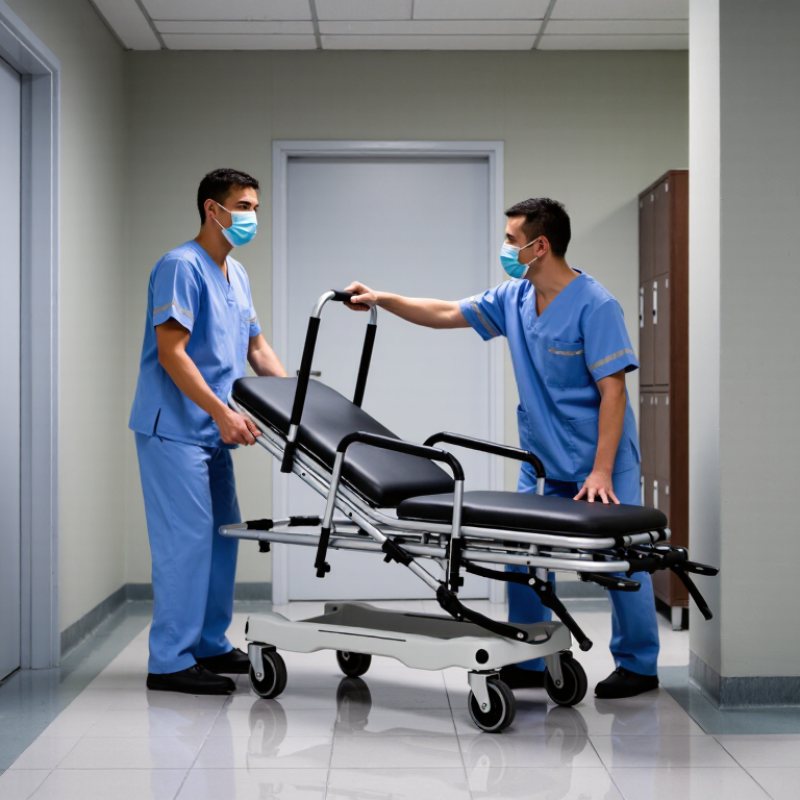
How to use a stair chair stretcher in narrow hallways? Trained responders should check the route, remove loose objects, and explain each movement to the patient. A hallway may appear wide enough, yet doorframes, wall corners, shoe cabinets, or uneven flooring can change the process. Test the stretcher without a patient when possible. Then use slow, coordinated movements, especially near landings and tight turns. Follow the manufacturer’s instructions and local medical safety procedures.

Our comparison considers field usability, construction quality, maintenance access, and available technical support from Chinese manufacturers. Product claims should be verified through current manuals, load testing documents, and user feedback. No shortlist is flawless. A lightweight chair may be easier to lift but less comfortable during long transfers. A stronger frame may create extra weight. Small wheels can struggle on thresholds. These limitations deserve honest attention. The most suitable model is not always the most expensive one. It is the stretcher that trained staff can control confidently in the specific hallway, stairwell, and facility where it will operate.
China Top 10 Stair Chair Stretchers for Narrow Hallways?

What Are Stair Chair Stretchers and How Do They Work?

China Top 10 Stair Chair Stretchers for Narrow Hallways?

What Are Stair Chair Stretchers and How Do They Work?

Stair chair stretchers are evacuation devices for moving seated people down stairs. They are not ordinary wheelchairs or powered stair lifts. A trained operator transfers the passenger into the chair and secures the safety straps. Many models use continuous tracks, friction belts, or assisted wheels. These parts help control movement over stair edges. The operator still guides the device and manages its speed. It is not effortless.

For narrow hallways, width matters before stair performance. Measure doorways, corridor turns, landings, and the narrowest stair section. A compact frame may fit straight stairs but struggle at a tight landing. Check the rated passenger weight, seat dimensions, folded size, braking system, and handle position. Practical testing is important. A product can appear suitable on paper and feel awkward during a drill. That difference deserves attention.

Tips: Keep the stretcher near an accessible exit, not inside a crowded storage area. Train at least two operators and repeat drills carefully. Inspect straps, tracks, handles, and brakes before use. Follow the supplied instructions and local safety requirements. Never improvise with missing parts. In real emergencies, communication matters; tell the passenger what will happen before each movement. Even experienced staff can hesitate on unfamiliar stairs. A short practice session may reveal problems that specifications cannot show.

Key Criteria for Choosing Models for Narrow Hallways

Choosing among China’s top stair chair stretchers requires more than comparing prices or folding designs. Narrow hallways demand accurate measurements. Record the clear width, door swing, wall protrusions, and the tightest turning point. A stretcher that fits a straight corridor may fail near a fire door or landing.

Prioritize a compact folded width, controlled steering, and reliable braking. Larger rear wheels can cross uneven thresholds, but they may reduce turning space. Check the seat height and handle position for operators wearing gloves. Weight matters too. A heavy unit can become difficult on stairs, especially during a long evacuation. I would request measured dimensions, load testing records, and maintenance instructions before selecting any model.

Training should reflect the actual building. Practice with a weighted device, not an empty frame. Watch how two operators communicate around corners and narrow stairwells. Secure restraints must hold without restricting breathing or movement. Materials should resist frequent cleaning and corrosion, but washable surfaces alone do not prove durability. A catalogue image can look convincing. It can still hide awkward handling. Recheck measurements after installation changes, because stored furniture or new door hardware may reduce clearance.

China’s Top 10 Stair Chair Stretchers: Features and Uses

China’s top 10 stair chair stretchers are designed for controlled evacuation in narrow hallways, stairwells, and crowded clinics. Their key features include compact folding frames, lockable tracks, adjustable belts, padded head supports, and corrosion-resistant aluminum. A useful unit should pass through a 550–650 mm corridor without scraping walls. It should also remain stable on sharp landings.

During evacuation drills, operators often value large rear wheels, a supportive seat, and simple release levers. These details reduce lifting and help maintain patient alignment. Some models include four-point restraints, foot supports, and washable cushions for repeated medical use. The World Health Organization reports about 684,000 fatal falls worldwide each year, making controlled movement equipment important in hospitals and care facilities. Still, stair chair stretchers do not replace trained personnel.

A practical comparison should examine ten points: folded width, open width, load rating, stair-track control, wheel size, brake access, restraint design, material durability, cleaning time, and operator training. EN 1865-based ambulance equipment guidance emphasizes secure patient handling and mechanical strength. Local facility testing remains essential. Door frames vary. Landings can be awkward. No model is perfect. A lighter stretcher may carry less weight, while a stronger frame may be harder to turn. Managers should test each unit with a weighted training load, two operators, and the narrowest hallway before purchase.

Comparing Width, Load Capacity, Mobility, and Stair Compatibility

China’s top 10 stair chair stretchers should be compared by working dimensions, not appearance. In narrow hallways, every centimeter matters. Measure the stretcher folded, opened, and turning beside a doorway. A compact frame may still need extra space for handles and operator movement.

Load capacity is equally important. Check the certified rating, including the patient, clothing, and attached equipment. A 150-kilogram rating offers little comfort if the stair angle causes unstable handling. Wider seats can improve comfort, but they may obstruct tight landings. Smaller seats move more easily, though they can reduce patient security. Fit matters more than a larger number.

Mobility depends on wheel design, locking systems, lifting points, and balance. Large rear wheels may cross uneven floors, while smaller wheels can perform better in crowded corridors. Test the stretcher on straight stairs, spiral turns, and narrow landings. Not every model suits every staircase. Curved stairs, steep steps, and weak lighting expose design weaknesses quickly.

Two trained operators may be required, even when one person can move the empty unit. That detail is easy to overlook. Verify local safety requirements, inspection records, and training procedures before purchase. A practical trial with a weighted dummy is more reliable than a catalogue photograph.

Safety, Maintenance, Certification, and Purchasing Considerations

China’s top ten stair chair stretchers for narrow hallways should be judged by performance, not appearance. In real inspections, every centimetre matters. Measure hallway width, stair turns, landing depth, and door clearance before purchasing. A compact frame, secure restraint system, locking wheels, and stable head support reduce movement risks. The stretcher should also support the intended patient weight without flexing or tilting. Test it with trained staff, not only with an empty device.

Maintenance affects safety every day. Clean contact surfaces after each use, especially handles, belts, and wheel locks. Inspect stitching, buckles, hinges, and frame joints for looseness or corrosion. Lubricate moving parts only according to the service instructions. Keep inspection records with dates and findings. Small defects become serious quickly. However, maintenance schedules are not universal; heavy use may require more frequent checks than the manual suggests.

Tips: Request dimensional drawings, load-test reports, material details, and certification documents before ordering. Confirm that certificates match the exact model and destination market. Ask about traceable serial numbers, replacement belts, spare wheels, operator training, and warranty response times. A sample trial on the narrowest staircase is wise. It may expose turning problems that product photos hide. Avoid choosing solely by price; the cheapest stretcher can create higher training and repair costs later. Recheck all claims with qualified safety personnel.

China Top 10 Stair Chair Stretchers for Narrow Hallways

The chart presents a practical verification-priority framework for comparing stair chair stretchers in narrow hallways. Safety, stair compatibility, certification documentation, and maintenance readiness should be confirmed before purchasing. The percentages are assessment weights rather than company or brand performance ratings.

FAQS

What is a stair chair stretcher?

It is an evacuation device for moving seated people down stairs. It is not an ordinary wheelchair or powered stair lift. A trained operator transfers the passenger and secures the safety straps.

How do stair chair stretchers move on stairs?

Continuous tracks, friction belts, or assisted wheels help control movement over stair edges. The operator guides direction and speed. It is not effortless.

What measurements matter in narrow hallways?

Measure doorways, corridor turns, landings, and the narrowest stair section. Check the frame width, folded size, and door clearance. Measure every turn.

Can a compact stretcher handle every narrow staircase?

Not always. A compact frame may fit straight stairs but struggle at a tight landing. Test it on the narrowest staircase with trained staff. Product photos can hide turning problems.

Which safety features should buyers examine?

Look for secure restraints, locking wheels, stable head support, reliable brakes, and suitable handles. Confirm the device supports the intended passenger weight without tilting. Small details matter.

How should operators prepare for an emergency?

Train at least two operators and repeat controlled drills. Explain each movement to the passenger before starting. Practice reveals awkward steps. Experienced staff may still hesitate on unfamiliar stairs.

How should a stair chair stretcher be maintained?

Inspect straps, tracks, handles, brakes, buckles, hinges, and frame joints before use. Clean contact surfaces after each use, especially belts and wheel locks. Keep dated inspection records. Heavy use may require more frequent checks.

What documents should be requested before purchase?

Request dimensional drawings, load-test reports, material details, and certification documents. Confirm they match the exact model and destination market. Ask about serial numbers, spare parts, training, and warranty response times.

Should price determine the final choice?

No. A low purchase price may create higher training or repair costs later. Compare fit, safety, maintenance, and support together. No selection is perfect. Recheck important claims with qualified safety personnel.

Conclusion

This guide explores China’s top 10 stair chair stretchers designed for narrow hallways, explaining what they are, how they work, and why they are useful for controlled patient evacuation and transport. It outlines key selection criteria, including compact width, secure restraint systems, load capacity, maneuverability, folding or storage features, and compatibility with straight, curved, or steep stairways. The comparison focuses on how different designs perform in confined spaces while balancing stability, operator control, and user comfort.

The article also answers the practical question, “How to use a stair chair stretcher in narrow hallways?” by emphasizing route assessment, trained operation, clear communication, proper patient securing, and slow, coordinated movement. Additional guidance covers routine inspection, cleaning, maintenance, certification documentation, supplier evaluation, warranty terms, and purchasing considerations. Together, these points help facilities choose a dependable stair chair stretcher that fits their hallway dimensions, supports safe handling, and meets applicable safety expectations.

Sophia

Sophia

Sophia is a dedicated marketing professional with an exceptional depth of knowledge about her company's products and services. With a keen understanding of market trends and customer needs, she crafts insightful blog posts that not only inform but also engage readers, enriching the company’s online......